Planning Shelf Pitch for Blind Box Packaging Changes
Shelf pitch should be planned around the range of packages the store expects to display, not only the box used for the first rendering.
- Published
- 2026-09-08
- Updated
- 2026-09-08
- Reading time
- 8 minutes
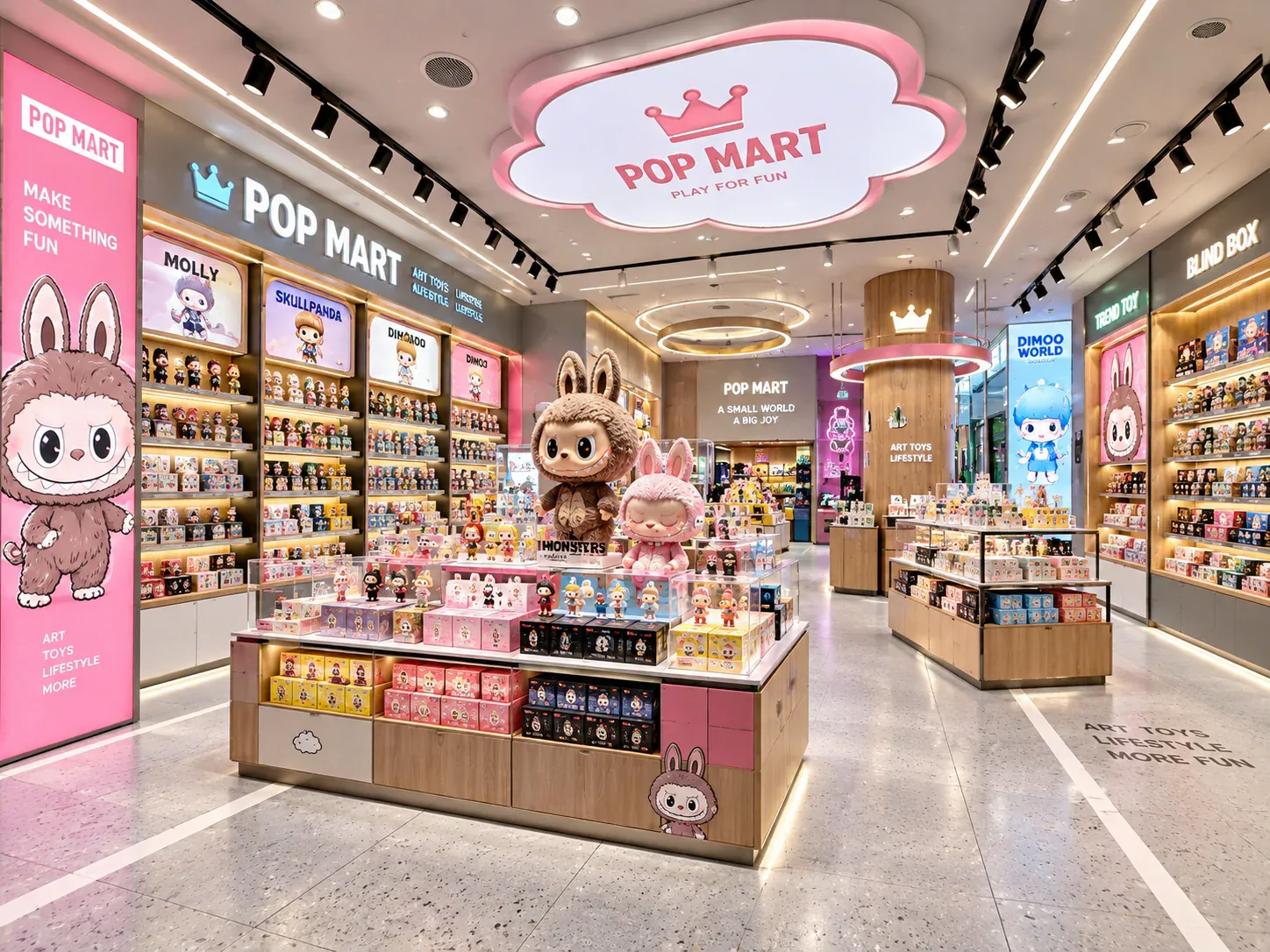
Shelf pitch should be planned around the range of packages the store expects to display, not only the box used for the first rendering. A later release may be taller or require a different presentation, and a cabinet that appears flexible may still have limits imposed by its adjustment positions, supports or other components.
Three decisions to carry into your project.
- 01
Define pitch and clear opening separately
- 02
Build a package-height range
- 03
Test the usable opening with the real task
Start with the decision
Shelf pitch should be planned around the range of packages the store expects to display, not only the box used for the first rendering. A later release may be taller or require a different presentation, and a cabinet that appears flexible may still have limits imposed by its adjustment positions, supports or other components. Define the expected changes before choosing the shelf arrangement.
Prepare a package-height and shelf-setting schedule. Record the actual package height, the usable opening needed for the tested presentation and the available settings of the proposed fixture. This is a coordination method; illustrative dimensions are not universal clearances, and every intended configuration still needs the relevant product and technical confirmation.
Define pitch and clear opening separately
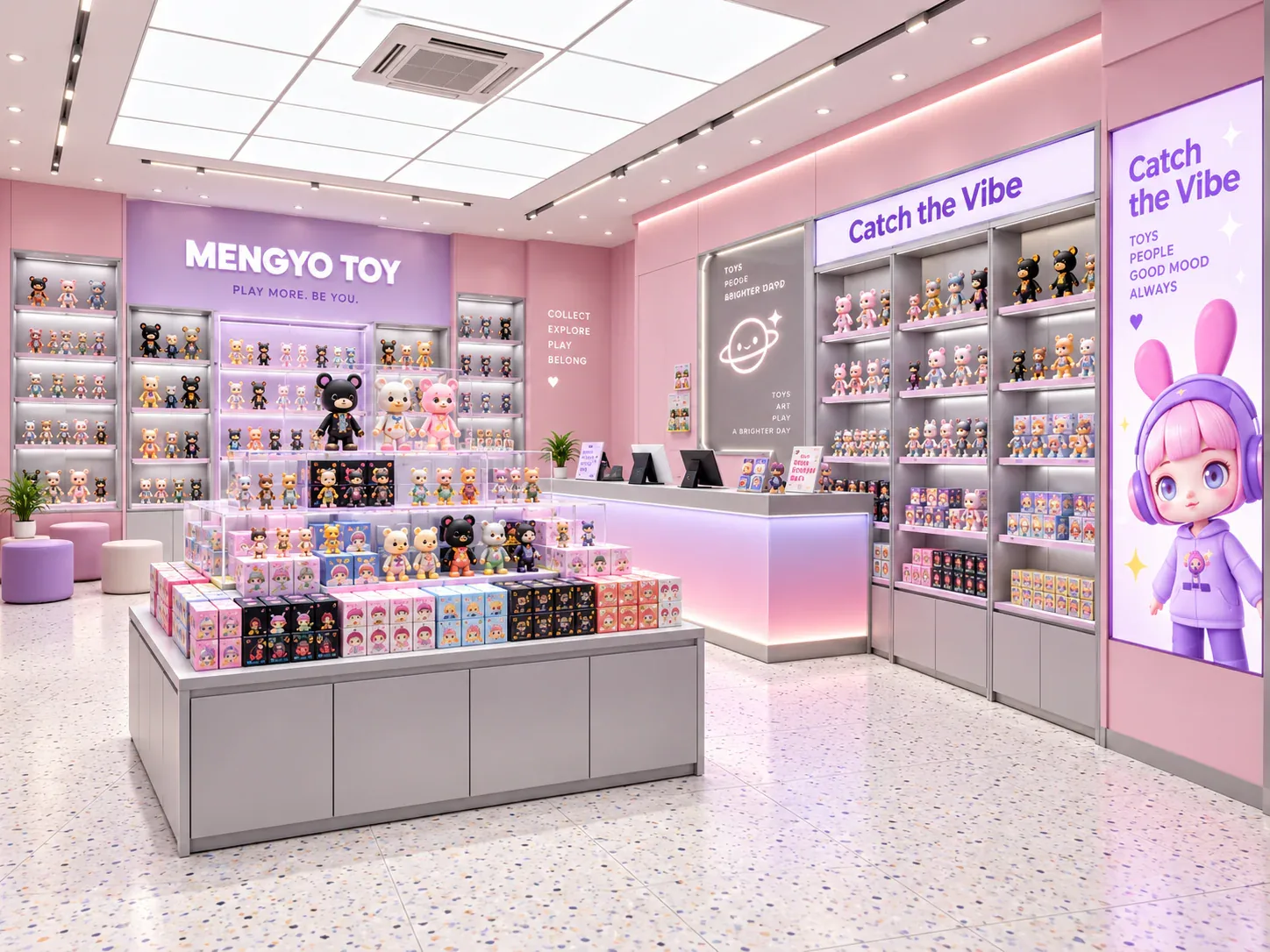
Use consistent terms with the supplier. In this article, shelf pitch means the vertical distance between corresponding shelf-top levels. Clear opening means the usable vertical space between the lower shelf surface and the obstruction above. They are not necessarily the same dimension.
A shelf, support, light or other component above the merchandise can reduce the usable opening. Ask the supplier to show the relevant section and identify the limiting feature in the proposed configuration. Do not calculate fit from a centreline or nominal spacing whose physical meaning is unclear.
Record the definitions on the schedule so another reviewer can interpret the values. A request for “200 mm shelf spacing” is ambiguous if the buyer means clear opening and the supplier means pitch. Clear terminology can prevent a dimensional disagreement before a prototype is made.
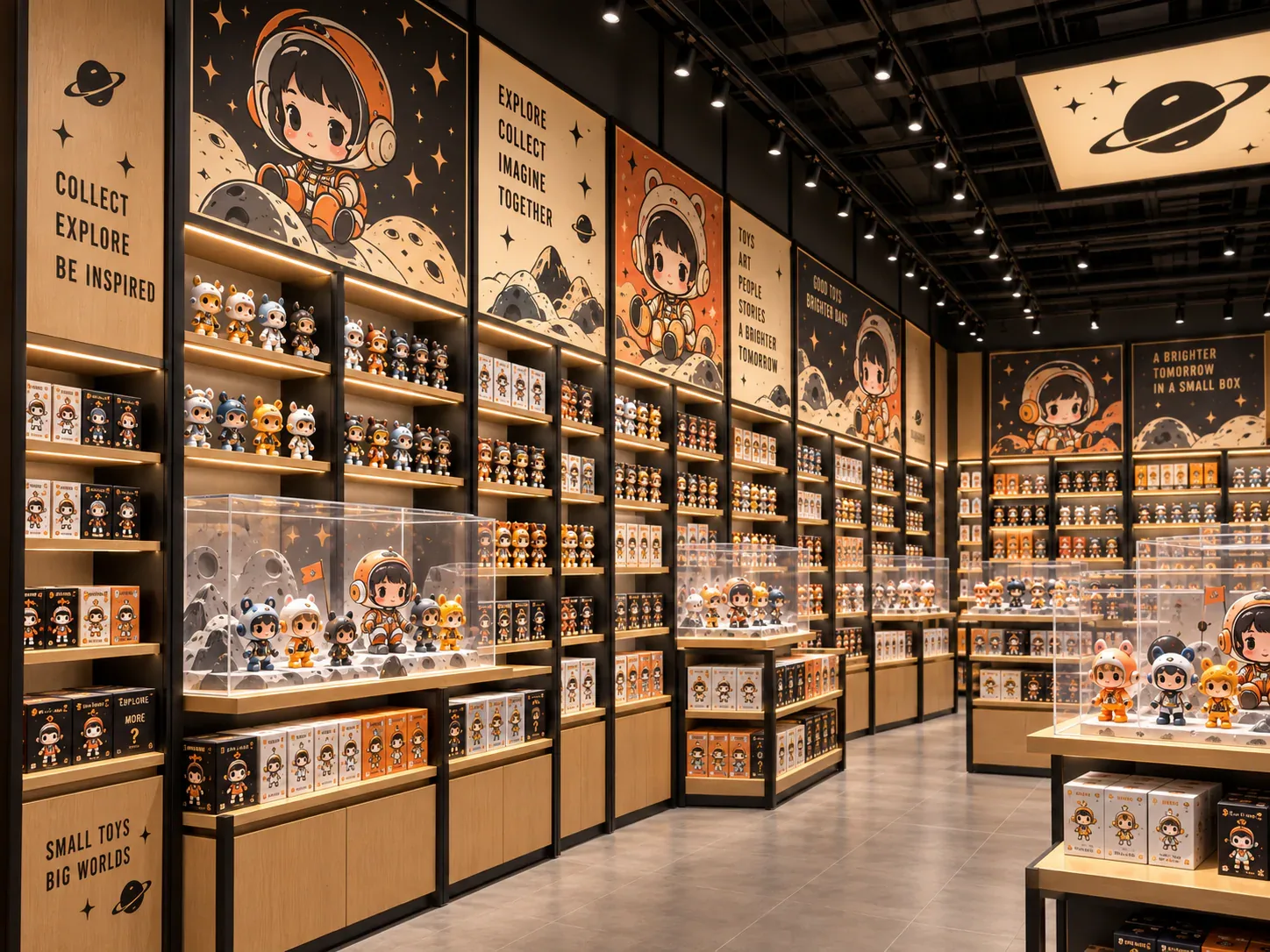
Build a package-height range
Collect representative packaging for the known assortment and likely changes identified by the business. Record the actual sale-box orientation and height. Separate confirmed formats from speculative future possibilities rather than treating every imagined product as an equal requirement.
Identify the formats that control the proposed settings. The tallest package may matter, but another format may need a different presentation or selection operation. The schedule should connect each setting to the task it supports, not merely list a minimum and maximum height.
Keep the source and date of package information. If a new release changes its packaging before launch, update the affected setting review. A cabinet should not be described as accommodating a future range solely because an early packaging image looked similar to the current one.
Test the usable opening with the real task
A package that fits into a static opening may still be awkward to place, identify or remove under the intended arrangement. Use representative products to review the actual selection and replenishment operation. Record what the trial shows and which conditions remain unrepresented.
Include label holders, lights and other components that affect the opening. Testing a bare shelf and adding those details later can change the result. The product trial and the supplier's drawing should describe the same proposed configuration.
Do not prescribe one generic removal allowance for all blind boxes. The appropriate arrangement depends on the package, orientation and operating method. If an allowance is used in an early calculation, label it as an assumption to be tested rather than a confirmed manufacturing requirement.
Relate the opening to the proposed shelf construction
Once the required usable opening is established for the tested task, ask the supplier to show how it relates to the actual shelf pitch. The construction above the merchandise may determine the difference. Keep the section drawing as the reference instead of relying on a verbal explanation alone.
For a simplified hypothetical example, suppose the planned usable opening is 180 mm and the only relevant deduction between the upper shelf top and underside is a 20 mm shelf thickness. Under that stated geometry, a 200 mm top-to-top pitch provides the 180 mm opening. This is an arithmetic illustration, not a recommended shelf thickness or clearance.
If another component projects below the upper shelf, that simplified calculation no longer describes the complete opening. The supplier must identify the actual limiting geometry. Likewise, a different shelf construction or orientation needs its own review rather than inheriting the example's result.
Check the available adjustment settings
Ask for the actual adjustment positions or method provided by the proposed system. A requirement may fall between available settings, or a particular component may prevent using some positions. The buyer should know which configurations are genuinely supported.
Record the selected setting for each representative package format. If a setting creates more opening than the product needs, consider how that affects the overall presentation and the number of usable display levels. The trade-off should be visible rather than hidden behind the word adjustable.
Obtain the relevant instructions and technical information for changing the configuration. The operating team needs to know who may adjust it and what checks apply afterwards. Do not assume that every available hole or position is approved for every shelf, load or accessory arrangement.
Use a package-to-setting schedule
The following table records the relationship between the merchandise and fixture. Populate it with verified project values and the applicable drawing or product references.
See the decision table below for the working record.
Add a status for formats not yet confirmed. A future package can remain a design consideration without being advertised as guaranteed to fit. The supplier should identify what information would allow that entry to be resolved.
Compare fixed and adjustable shelf strategies
Fixed shelves can suit a stable, clearly defined presentation, but future package changes may require a different response. The buyer should understand that constraint and avoid describing a fixed arrangement as suitable for an undefined future assortment.
Adjustable shelves can support a defined range of settings, but they may introduce visible supports, adjustment tasks or other design relationships. Compare the actual system rather than assuming adjustability has no effect on appearance, operation or technical requirements.
A mixed arrangement may reserve some levels for a stable presentation and others for known changes. This can be useful when the business understands which parts of the assortment are likely to vary. The fixture brief should specify that intended range instead of asking for unlimited flexibility.
Review the whole cabinet after changing one level
Changing one shelf position can affect the opening above or below it and the visual relationship to neighbouring levels. Review the complete arrangement, including the top and bottom areas. A single successful package fit does not establish the usefulness of the whole cabinet.
Check where samples and information will sit after the adjustment. A shelf change may leave a label or series overview associated with the wrong position unless those components are updated together. Include the graphic relationship in the change procedure.
Keep capacity and loading reviews distinct. Fewer shelves or a different distribution of stock can change the intended arrangement, and the relevant technical information must still apply. Do not transfer a confirmation from one configuration to another without the required review.
Work through a taller-release scenario
Consider a hypothetical blind-box retailer whose opening assortment uses a compact package, while a planned later series has a taller box. The first fixture proposal shows identical openings throughout the cabinet. The owner assumes the shelves can simply be moved when the new release arrives.
The package-to-setting schedule records both formats and asks the supplier for the actual adjustment positions. A representative product trial identifies the usable opening needed for the taller package's intended selection method. The designer then shows how that setting changes the neighbouring levels and sample area.
The buyer compares a fully adjustable arrangement with a mixed strategy that allocates a defined zone to the taller format. Both options are reviewed against the actual system information and whole-cabinet presentation. The later release remains conditional where its packaging details are not yet confirmed.
This illustrative scenario does not promise compatibility with a real future product. It shows how the buyer can turn an assumption about flexibility into a documented relationship between packages, openings and supported shelf settings.
Hand over the settings staff may use
Use identifiers for the reviewed settings that staff can relate to the fixture instructions. A photograph or annotated elevation can show the intended shelf arrangement more clearly than a list of heights alone. Include the associated package format and the date of the review. If the physical system uses numbered or otherwise identifiable positions, preserve that relationship in the handover rather than inventing a separate description that could be misread. The record should help staff recognise the approved arrangement and identify when a proposed change falls outside it.
Provide the accepted schedule and relevant instructions to the operating team. Identify the product formats associated with each reviewed configuration and explain when a new package requires another check. A simple labelled record is more useful than expecting staff to remember a design discussion months later.
For blind-box display cabinets, include the expected package-height range in the enquiry. It gives the supplier a concrete basis for proposing shelf settings and explaining the limits of the available adjustment, rather than making a broad promise that every future box will fit.
Compare one controlled basis.
How we apply this decision.
Use identifiers for the reviewed settings that staff can relate to the fixture instructions. A photograph or annotated elevation can show the intended shelf arrangement more clearly than a list of heights alone. Include the associated package format and the date of the review. If the physical system uses numbered or otherwise identifiable positions, preserve that relationship in the handover rather than inventing a separate description that could be misread. The record should help staff recognise the approved arrangement and identify when a proposed change falls outside it.
Review BENSON capabilities →What still needs project confirmation.
Use the actual site, merchandise and supplier information to confirm the project-specific arrangement. Illustrative examples do not establish technical suitability.
Prepare the required inputs →Avoid these shortcuts.
- Treating a reference image as an approved production specification.
- Comparing suppliers without identical dimensions, quantities and delivery scope.
- Separating material, lighting or hardware decisions from the drawing revision.
- Leaving packing, local installation and site interfaces undefined.
Before the next approval.
- Define pitch and clear opening separately
- Build a package-height range
- Test the usable opening with the real task
- Record each open point, owner, due date and required evidence.
Trace the supporting information.
Content review policyUpdated 2026-09-08. AI-assisted buyer guidance; no independent technical review is claimed.
Move from research to a project decision.
Keep building the specification.
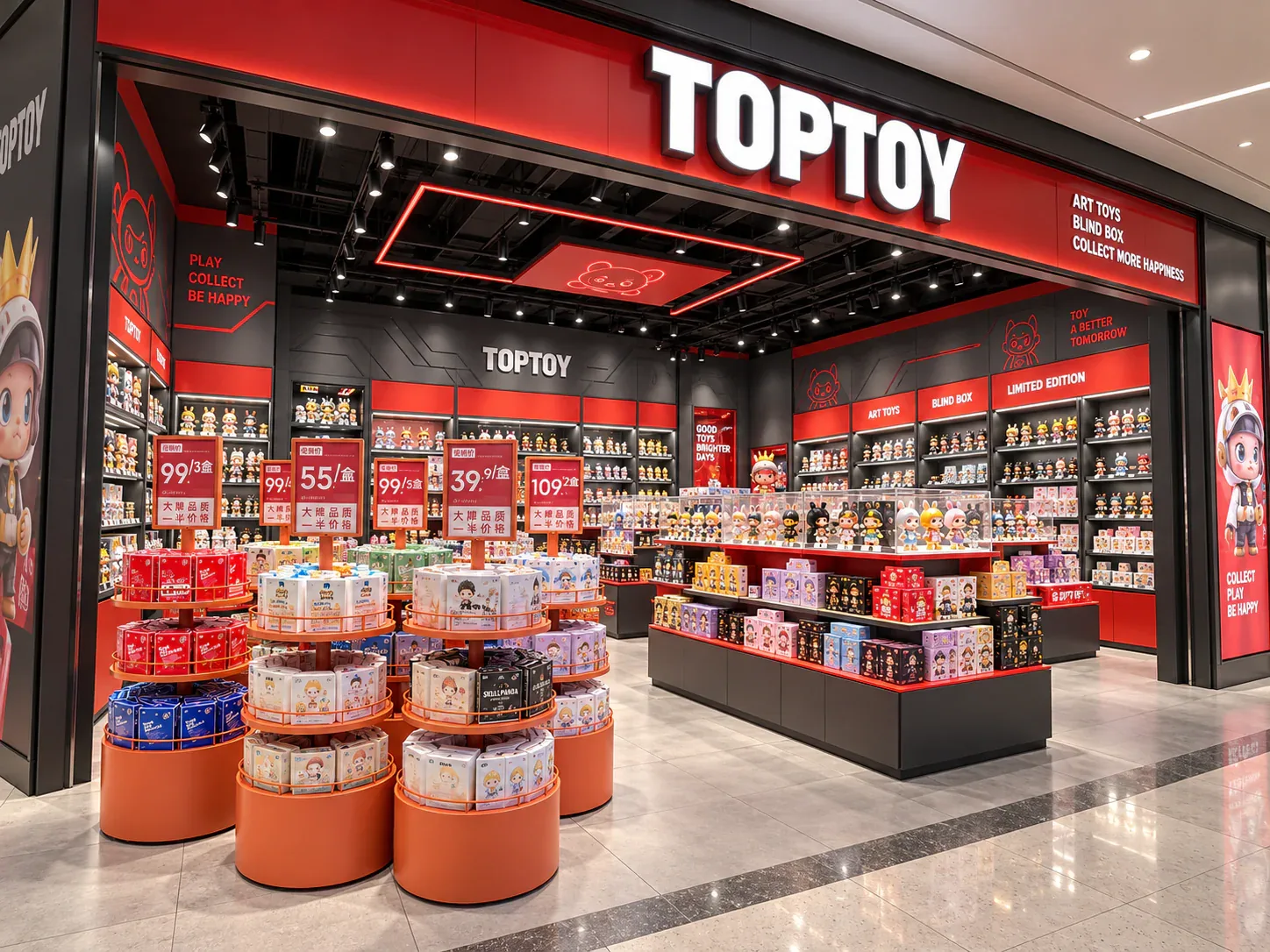
Calculating Blind Box Shelf Capacity from Real Packaging Sizes
Blind-box shelf capacity should be calculated from the usable shelf space and the packages that will actually occupy it. Outside cabinet dimensions, catalogue photographs and a general label such as “small box” are not enough.
Read next →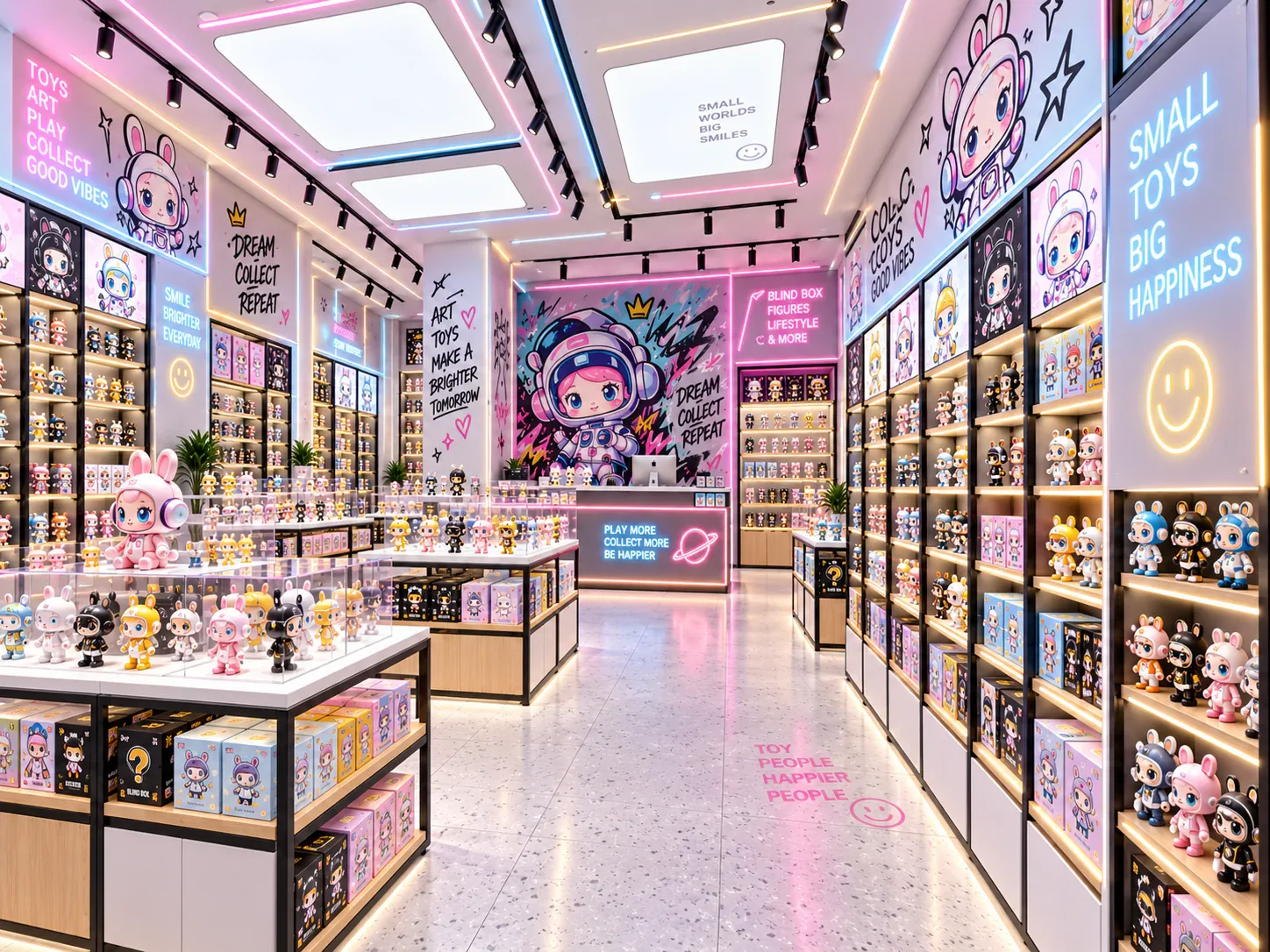
Displaying Complete Blind Box Series Without Confusing Buyers
A display showing every design in a blind-box series should help customers understand the range without suggesting that every sealed box contains a chosen character. The presentation needs to distinguish the series overview, opened samples and the stock available for purchase.
Read next →
Designing a Blind Box Launch Zone for Limited Releases
A blind-box launch zone should explain the release, present the correct merchandise and support the store's actual purchase process. It may need to work differently from everyday browsing, particularly when customers arrive with a specific product in mind.
Read next →Get a project-specific recommendation.
Send your store plan, product sizes, fixture quantities, destination and opening target. BENSON will identify the product fit, engineering inputs and quotation basis.
Start Your Display Project