Measuring Action Figures with Extended Poses and Accessories
An action figure's nominal height does not describe the space it occupies in a display pose.
- Published
- 2026-09-08
- Updated
- 2026-09-08
- Reading time
- 8 minutes
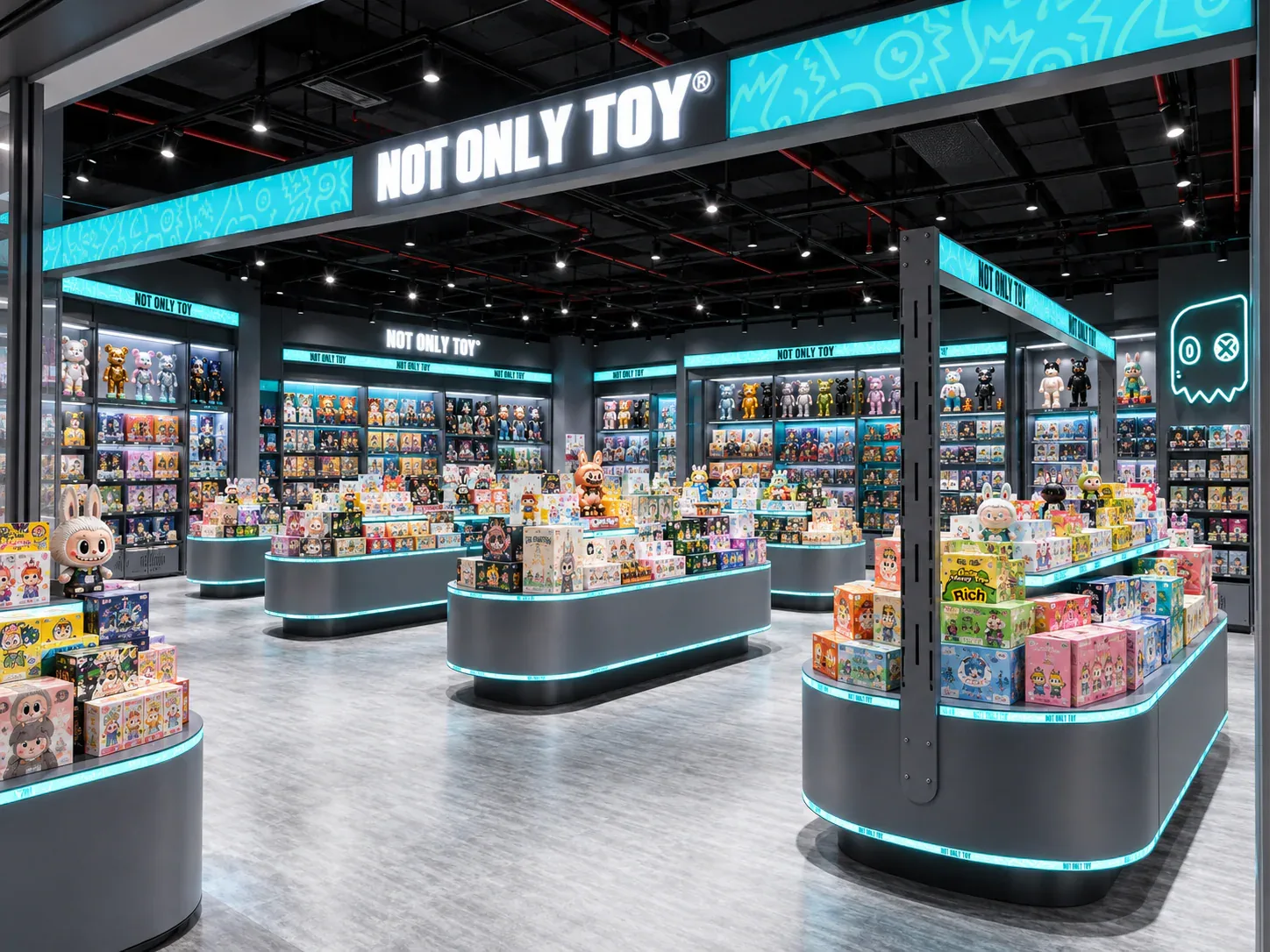
An action figure's nominal height does not describe the space it occupies in a display pose. Arms, wings, weapons, hair, stands and other accessories can extend beyond the main body in several directions.
Three decisions to carry into your project.
- 01
Define the displayed configuration before measuring
- 02
Include the base and support arrangement
- 03
Measure the full visible envelope
Start with the decision
An action figure's nominal height does not describe the space it occupies in a display pose. Arms, wings, weapons, hair, stands and other accessories can extend beyond the main body in several directions. A cabinet should be planned from the complete intended display arrangement, with the figure's position and accessories identified clearly.
Prepare a display-envelope record for each representative figure. It should connect the chosen pose, base, accessories and overall dimensions to photographs and product information. The record supports fixture coordination; it does not authorise altering a collectible, prescribe a support method or establish the safety of a pose that the manufacturer has not intended.
Define the displayed configuration before measuring
Identify the figure, edition and accessories that will be shown. A product may include several optional parts, and the store may choose only one arrangement for the opening display. Record that arrangement rather than combining unrelated maximum dimensions from different poses without explanation.
Use the manufacturer's applicable instructions and the store's handling process to establish the intended configuration. Do not force joints or attach parts in an unverified way simply to make a figure fit a cabinet. The display plan should follow the product's actual permitted arrangement.
Keep alternative poses separate in the record. If the retailer expects to change the presentation, each relevant configuration can have its own reference. This allows the supplier to see whether the cabinet must accommodate one fixed pose or a defined range of display states.
Include the base and support arrangement
Record the base or stand that is part of the intended display. It can change the overall height, footprint and relationship to the cabinet surface. The figure's body dimensions alone are not enough when the actual presentation includes a separate support.
Identify the support through its product reference or a clear description. If the support arrangement is unresolved, mark the envelope provisional. The fixture supplier should not assume that a different base can be substituted without affecting the product and display requirements.
Keep technical suitability separate from geometry. A base may fit within the cabinet while the stability or support arrangement still needs confirmation through the appropriate product information and responsible reviewer. The measurement record should not be presented as evidence that the pose is stable.
Measure the full visible envelope
Record the overall width, depth and height of the complete intended configuration using a suitable method and defined references. The relevant extent includes projections such as accessories and the base, not only the central body. Identify which feature controls each dimension.
Use a method that does not put the collectible at unnecessary risk. The responsible person should determine how the measurement can be obtained appropriately for the object and its condition. If a delicate projection cannot be measured directly, record the limitation and use an agreed alternative source or specialist approach.
Do not treat a retailer's product-page image as a scale drawing. It may help identify the pose, but a production dimension needs a dependable source. If manufacturer dimensions describe a different configuration, preserve that distinction instead of copying the value into the chosen-pose record.
Record the orientation relative to the cabinet
The figure's width and depth depend on how it is oriented in the display. Mark the intended front and the viewing direction. A diagonally positioned accessory may create a different envelope from the same figure facing straight ahead.
Ask the designer to show the orientation in plan as well as elevation where useful. The supplier should be able to understand how the figure sits within the proposed cabinet without inferring it from one photograph. A plan reference can also locate the base relative to neighbouring pieces.
If several orientations are under consideration, compare them as separate options. Do not rotate the figure only in the capacity calculation while retaining a different presentation in the rendering. The design record and dimensional record need to describe the same arrangement.
Identify the controlling projections
List the parts that extend farthest in each direction. This helps the designer understand why the envelope has its particular shape and which future changes may affect it. A long accessory can control width even when most of the figure occupies a much smaller central area.
Photograph those relationships in context. A close-up of the accessory can show its identity, while a wider view explains its position relative to the base and body. Link the images to the configuration record using stable identifiers.
Avoid treating the empty space around an irregular pose as automatically available for another figure. The complete presentation, handling and viewing requirements need review. Geometric overlap in a plan can create an arrangement that is difficult to maintain or visually confusing even when the objects do not appear to touch in one view.
Use a pose-and-envelope schedule
The following table provides the information needed for a useful fixture handover. Populate it with actual product references, dimensions and source notes.
See the decision table below for the working record.
Add the fixture identifier when the figure is assigned to a cabinet. This creates a traceable relationship between the merchandise record and the drawing. If the figure later moves, the team can identify which fit assumptions need to be checked again.
Distinguish display fit from installation access
The final envelope describes the figure in its displayed position. The responsible team also needs to consider how the object is placed and removed through the cabinet's actual opening. Those are separate questions, particularly when accessories project in different directions.
Ask the supplier for the relevant access dimensions and operation of the proposed cabinet. The handling process should be reviewed by the appropriate person using the actual product requirements. Do not assume an object can be dismantled or tilted simply because that would solve an opening problem.
Record any permitted assembly sequence through the applicable product instructions and store process. If the final arrangement must be assembled inside the cabinet, that is a specific task requiring suitable access and review. It should not remain an unstated assumption in a capacity drawing.
Compare one large display position with a flexible group
One option may allocate a dedicated position to the figure's full pose. This can preserve a clear presentation while using more space than a compact configuration. The buyer should compare the visual and assortment consequences rather than treating the larger envelope as wasted space automatically.
Another option may use a different manufacturer-supported configuration or a separate cabinet assignment. Any change should remain faithful to the actual product and intended presentation. Do not modify the object or invent an unsupported pose solely to increase fixture capacity.
Use the same viewing and handling assumptions when comparing options. A pose that looks compact from the front may extend substantially in depth, while a different orientation may change how the figure is recognised. The complete record makes those trade-offs visible.
Review a figure with a projecting accessory
Consider a hypothetical collectible figure whose nominal body height fits an existing cabinet. The proposed display pose includes a base and a long accessory extending to one side. The initial merchandise schedule lists only the body height, so the supplier's layout places another figure in the accessory's intended space.
The pose-and-envelope record identifies the complete configuration and the feature controlling width. The designer updates the plan orientation and compares a dedicated position with another appropriate cabinet assignment. The team also reviews the actual access opening and the permitted handling sequence.
The owner can now assess the display capacity using the real presentation rather than a simplified body dimension. Any unresolved product or support information remains clearly marked. The example is illustrative and does not describe a particular manufacturer model or endorse an unverified pose.
Keep configuration changes traceable
Keep the product's scale designation as descriptive information rather than using it as the cabinet dimension. A scale label does not describe the selected pose, accessory projection or included base. Two figures carrying the same nominal scale can therefore require different display records. The supplier should receive the measured or otherwise verified envelope for each representative configuration, with the scale retained only as useful product context. This also helps the retailer compare a collection without assuming that every item in the same scale group can share an identical cabinet position.
When an accessory, stand or pose changes, update the record before treating the old cabinet fit as confirmed. The physical figure may have the same product name while occupying a different envelope. A dated configuration photograph helps the team identify which state was reviewed.
Retain the earlier record if it supports a future planned display, but distinguish it from the current arrangement. Staff should not have to guess whether a dimension applies to the figure as presently shown or to a previous pose.
For collectible display cabinets, provide the pose-and-envelope schedule with the enquiry. It gives the supplier a dependable account of the merchandise the cabinet must accommodate and makes the difference between nominal figure size and the actual display arrangement explicit.
Compare one controlled basis.
How we apply this decision.
Keep the product's scale designation as descriptive information rather than using it as the cabinet dimension. A scale label does not describe the selected pose, accessory projection or included base. Two figures carrying the same nominal scale can therefore require different display records. The supplier should receive the measured or otherwise verified envelope for each representative configuration, with the scale retained only as useful product context. This also helps the retailer compare a collection without assuming that every item in the same scale group can share an identical cabinet position.
Review BENSON capabilities →What still needs project confirmation.
Use the actual site, merchandise and supplier information to confirm the project-specific arrangement. Illustrative examples do not establish technical suitability.
Prepare the required inputs →Avoid these shortcuts.
- Treating a reference image as an approved production specification.
- Comparing suppliers without identical dimensions, quantities and delivery scope.
- Separating material, lighting or hardware decisions from the drawing revision.
- Leaving packing, local installation and site interfaces undefined.
Before the next approval.
- Define the displayed configuration before measuring
- Include the base and support arrangement
- Measure the full visible envelope
- Record each open point, owner, due date and required evidence.
Trace the supporting information.
Content review policyUpdated 2026-09-08. AI-assisted buyer guidance; no independent technical review is claimed.
Move from research to a project decision.
Keep building the specification.

Calculating Blind Box Shelf Capacity from Real Packaging Sizes
Blind-box shelf capacity should be calculated from the usable shelf space and the packages that will actually occupy it. Outside cabinet dimensions, catalogue photographs and a general label such as “small box” are not enough.
Read next →
Displaying Complete Blind Box Series Without Confusing Buyers
A display showing every design in a blind-box series should help customers understand the range without suggesting that every sealed box contains a chosen character. The presentation needs to distinguish the series overview, opened samples and the stock available for purchase.
Read next →
Planning Shelf Pitch for Blind Box Packaging Changes
Shelf pitch should be planned around the range of packages the store expects to display, not only the box used for the first rendering. A later release may be taller or require a different presentation, and a cabinet that appears flexible may still have limits imposed by its adjustment positions, supports or other components.
Read next →Get a project-specific recommendation.
Send your store plan, product sizes, fixture quantities, destination and opening target. BENSON will identify the product fit, engineering inputs and quotation basis.
Start Your Display Project