Comparing Open Shelves and Staff-Assisted Blind Box Sales
Open selection and staff-assisted sales create different relationships among the customer, stock and service point.
- Published
- 2026-09-08
- Updated
- 2026-09-08
- Reading time
- 8 minutes
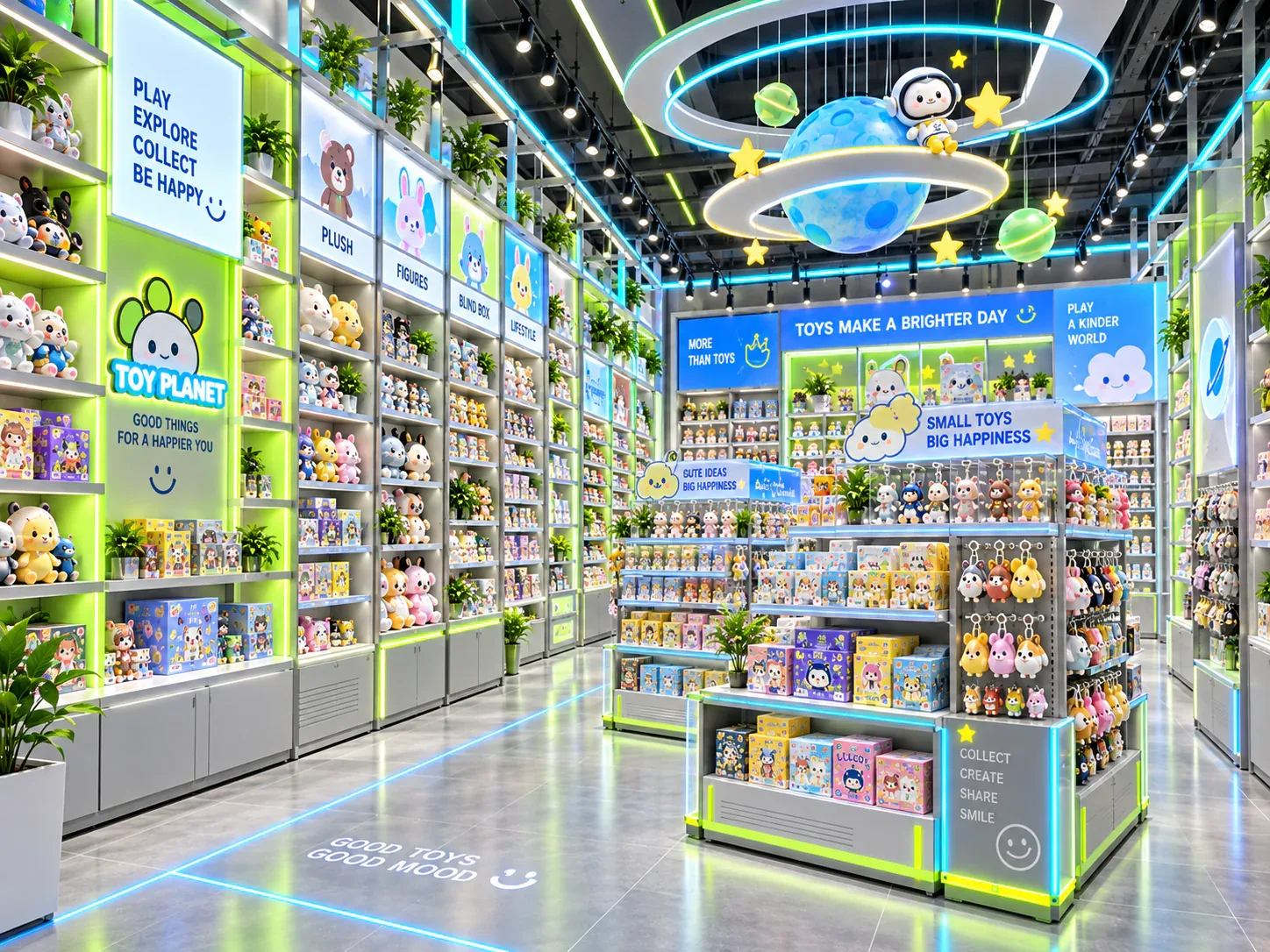
Open selection and staff-assisted sales create different relationships among the customer, stock and service point. With open shelves, customers select the available sealed product directly.
Three decisions to carry into your project.
- 01
Define the offer independently of the access method
- 02
Map the open-selection task
- 03
Map the staff-assisted task
Start with the decision
Open selection and staff-assisted sales create different relationships among the customer, stock and service point. With open shelves, customers select the available sealed product directly. With staff assistance, the customer identifies or requests the product and staff supply it through the store's process. The fixture choice should follow that operating decision rather than determine it accidentally.
Compare the two methods using the same product offer, stock assumptions and representative purchase tasks. Record what customers need to understand and what staff need to do. This guide does not claim that either method guarantees higher sales or prevents stock loss; it provides a practical basis for choosing the arrangement that fits the store's actual operation.
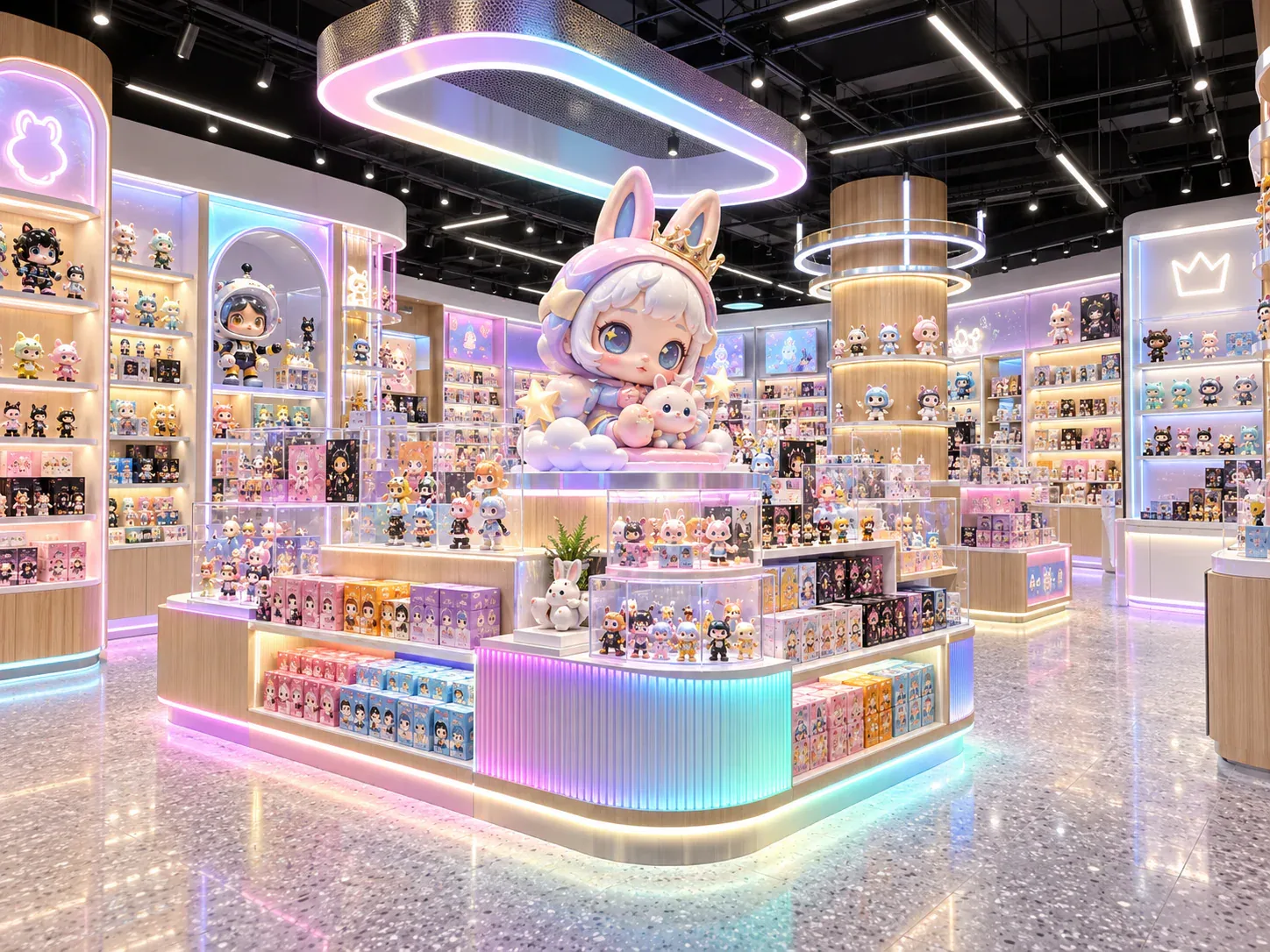
Define the offer independently of the access method
The sealed product and its verified purchase terms should remain clear under either method. Staff assistance does not change the contents of a blind box, and open access does not imply that customers can identify or choose a particular hidden design. Use the actual product information to explain the offer.
Record the purchase unit and the series available. If the retailer offers several formats, compare how each method communicates them. The customer should not need to infer the offer from whether stock is behind a counter or on an open shelf.
Keep commercial policies with the responsible business owner. The fixture supplier can support a selected process through stock access and information locations, but should not invent purchase limits, allocation rules or guarantees as part of the cabinet design.
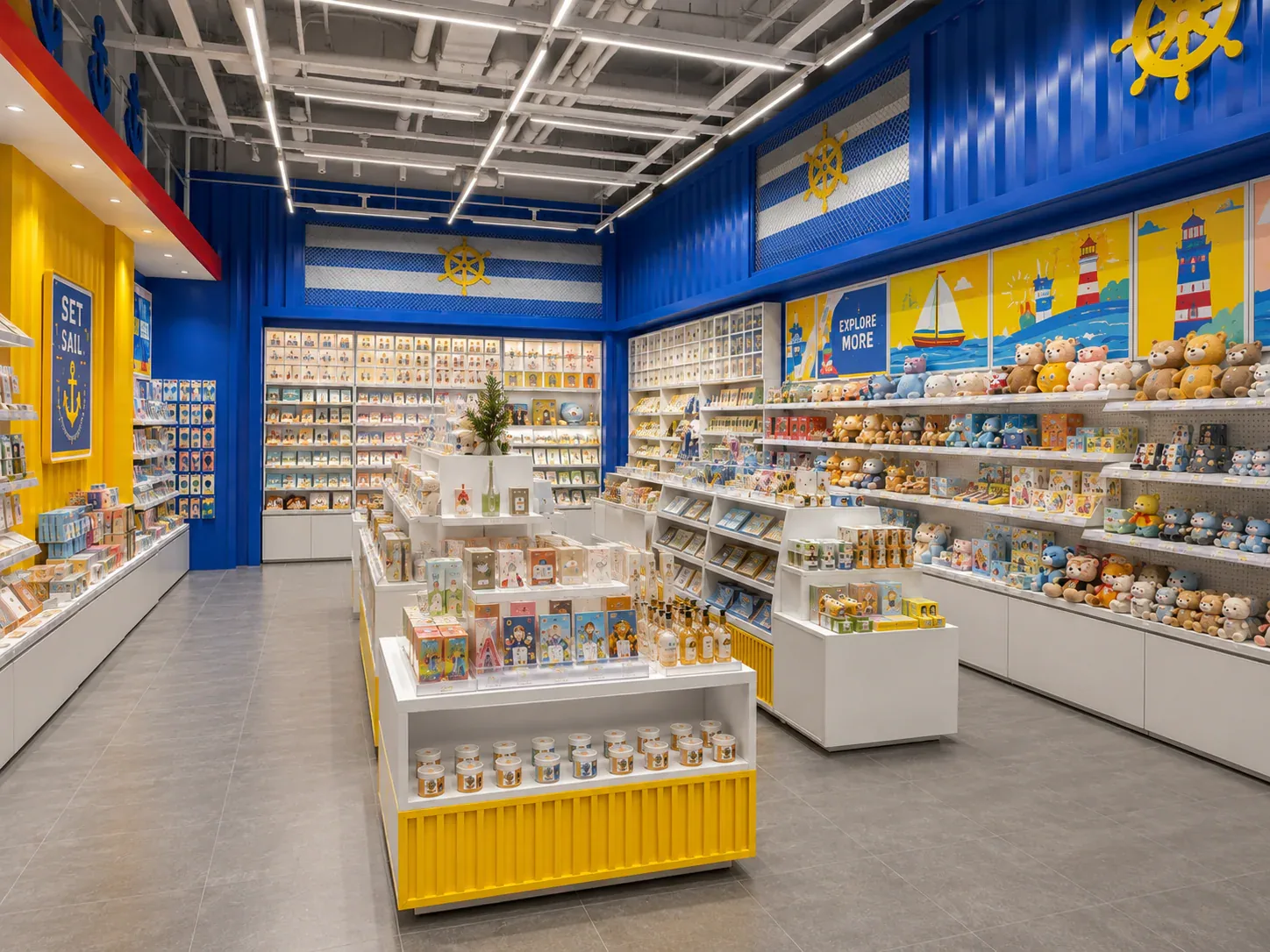
Map the open-selection task
Show how the customer finds the correct series, identifies the purchase unit, selects the sealed product and reaches checkout. Include the actual labels and package presentation. An open shelf is useful only when the customer can understand what the visible stock represents.
Identify the stock depth and grouping method. If several series share a shelf, the arrangement should preserve the relationship between labels and products as customers make selections. The store needs a maintainable presentation, not just a fully stocked opening image.
Include staff recovery and replenishment. Open selection still requires an operating process for restoring the display and identifying discrepancies. The comparison should not describe it as a system with no staff work simply because employees do not supply every individual purchase.
Map the staff-assisted task
Show where customers view the range and how they request the product. The request might refer to a series identifier or another method used by the store. The display and information should make that step understandable without assuming every visitor knows the process already.
Trace the staff route to the stock and the customer handover. Include the point where the correct product is matched to the request. The fixture arrangement should support the actual sequence rather than place stock somewhere convenient for display photography but awkward for service.
Record what happens while a staff member is assisting someone else. The business needs a clear way to communicate the service point and next action. The actual staffing and venue arrangements determine how that is managed; a cabinet alone cannot resolve an undefined service process.
Compare information needs
Open selection places more of the immediate identification task in the display. Series labels, purchase-unit information and product grouping need to remain clear as stock changes. Staff may still answer questions, but the presentation should support the intended independent selection.
Staff-assisted sales can use a sample or overview presentation with stock supplied elsewhere. That makes the connection between the overview and the request method especially important. A visitor should understand whether a displayed figure is a sample and how to obtain the corresponding sealed product.
Use a reviewer unfamiliar with the arrangement to check both methods. Ask what they believe they can purchase and what they would do next. The responses can reveal ambiguous information, but they should not be treated as a statistical prediction of every customer's preference.
Compare staff work as a sequence
List the tasks under each method: replenishment, display recovery, product identification, retrieval, handover and any stock checks used by the business. Some work occurs per purchase, while other work occurs periodically. Keep those differences visible.
If the store has reliable operating observations, use them to inform the comparison and record their context. Do not invent transaction times or staffing savings. An estimate should remain labelled as an estimate until the actual process provides a firmer basis.
Consider the tasks staff must perform alongside blind-box sales. A service arrangement that works when one employee focuses only on the release may behave differently during ordinary mixed-category trading. The comparison should reflect the intended operating state.
Use a sales-method comparison table
The table below gives questions to apply to the actual store. Fill it with observed or confirmed information rather than generic claims that one method is faster or safer.
See the decision table below for the working record.
Add the actual product and fixture references. If one option uses a different stock quantity or service scope, explain the difference. A fair comparison requires a shared basis or an explicit account of why the assumptions differ.
Consider stock control without promising protection
The two methods give customers and staff different forms of access to stock. The retailer should evaluate that relationship within its actual inventory and security process. Do not assume that staff assistance eliminates errors or that open shelves necessarily produce a particular loss outcome.
Identify the checks the business already uses and how the proposed method supports them. A physical access arrangement is only one part of the process. Product identification, staff training and record accuracy can still matter under either option.
Where security performance is a specific requirement, obtain an appropriate assessment and evidence for the actual arrangement. Marketing language about a cabinet should not substitute for a defined protection claim and its supporting information.
Compare a mixed operating model
Some stores may use open selection for ordinary stock and staff assistance for a particular release or product format. A mixed model needs clear boundaries so customers understand which process applies in each area. Similar-looking displays with different rules can create confusion if the distinction is unexplained.
Record what changes when a zone switches methods. Stock locations, labels and the route to service may all need updating. The transition should be a planned operation rather than a last-minute sign placed on an otherwise unchanged shelf.
Review the staffing and site implications of the mixed state. The business should not assume it can add an assisted process while keeping every other task unchanged. Test the actual sequence and assign any unresolved operating questions to the responsible team.
Review a store comparing two supply methods
Consider a hypothetical toy retailer planning a new blind-box zone. The first option places sealed stock on open shelves beside a sample overview. The second keeps the overview visible but has staff supply the selected series from an identified stock location.
The owner tests the same purchase request under both arrangements. In the open option, the review checks whether the customer selects the correct series and understands the label. In the assisted option, it checks whether the request method and staff handover are clear. Staff also demonstrate replenishment and a series change.
The comparison records the actual work involved and the relationship to other store services. The owner selects a method based on the intended operation, while any specific security or technical requirements are reviewed separately with the appropriate participants.
This illustrative scenario makes no claim that one method increases conversion or eliminates stock problems. It shows how the fixture decision becomes more useful when the full purchase and maintenance tasks are compared.
Translate the choice into the fixture brief
Describe the customer's degree of physical selection accurately. In one arrangement, the visitor may choose a particular sealed box from the shelf. In another, staff may supply a unit of the requested series according to the retailer's stated process. That difference should be understandable without suggesting that either party can determine hidden contents. The information should describe the actual action and the verified product offer, not imply a result that the access method cannot establish.
If the store changes between these methods during a launch or another trading period, update the explanation and stock arrangement together. Keep a clear record of which state is active so staff do not apply different processes to the same display unintentionally. The fixture should support the chosen transition, including the information positions and stock access it requires.
State the selected access method, stock role, information locations and service relationship in the enquiry. Include the actual package formats and representative operating tasks. The supplier can then propose a configuration that supports the process the retailer intends to run.
For blind-box display cabinets, avoid asking for a generic open or closed unit without this context. The meaningful choice is the complete customer-and-staff sequence that the fixture must support, with its assumptions and responsibilities made clear.
Compare one controlled basis.
How we apply this decision.
Describe the customer's degree of physical selection accurately. In one arrangement, the visitor may choose a particular sealed box from the shelf. In another, staff may supply a unit of the requested series according to the retailer's stated process. That difference should be understandable without suggesting that either party can determine hidden contents. The information should describe the actual action and the verified product offer, not imply a result that the access method cannot establish.
Review BENSON capabilities →What still needs project confirmation.
Use the actual site, merchandise and supplier information to confirm the project-specific arrangement. Illustrative examples do not establish technical suitability.
Prepare the required inputs →Avoid these shortcuts.
- Treating a reference image as an approved production specification.
- Comparing suppliers without identical dimensions, quantities and delivery scope.
- Separating material, lighting or hardware decisions from the drawing revision.
- Leaving packing, local installation and site interfaces undefined.
Before the next approval.
- Define the offer independently of the access method
- Map the open-selection task
- Map the staff-assisted task
- Record each open point, owner, due date and required evidence.
Trace the supporting information.
Content review policyUpdated 2026-09-08. AI-assisted buyer guidance; no independent technical review is claimed.
Move from research to a project decision.
Keep building the specification.
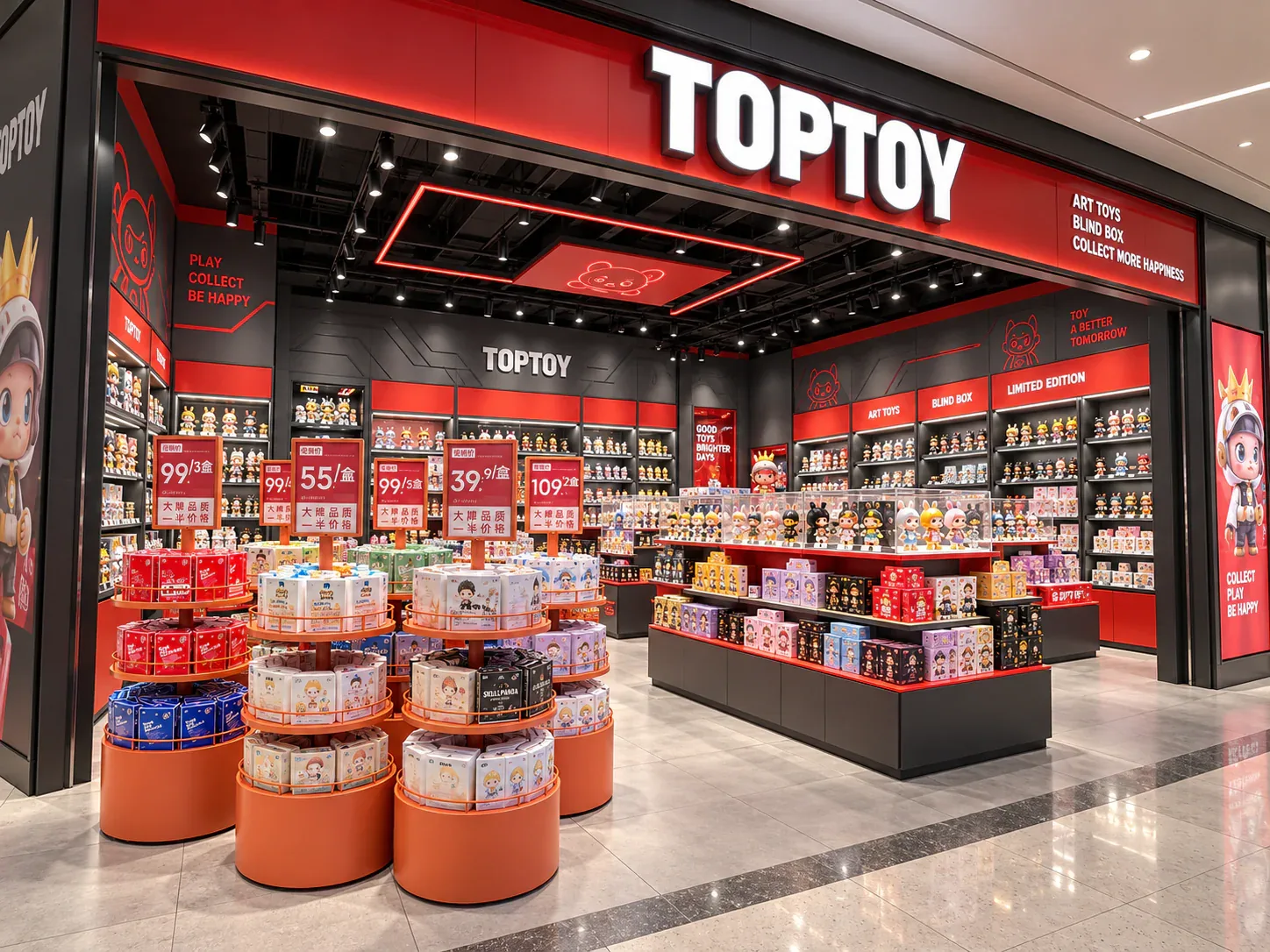
Calculating Blind Box Shelf Capacity from Real Packaging Sizes
Blind-box shelf capacity should be calculated from the usable shelf space and the packages that will actually occupy it. Outside cabinet dimensions, catalogue photographs and a general label such as “small box” are not enough.
Read next →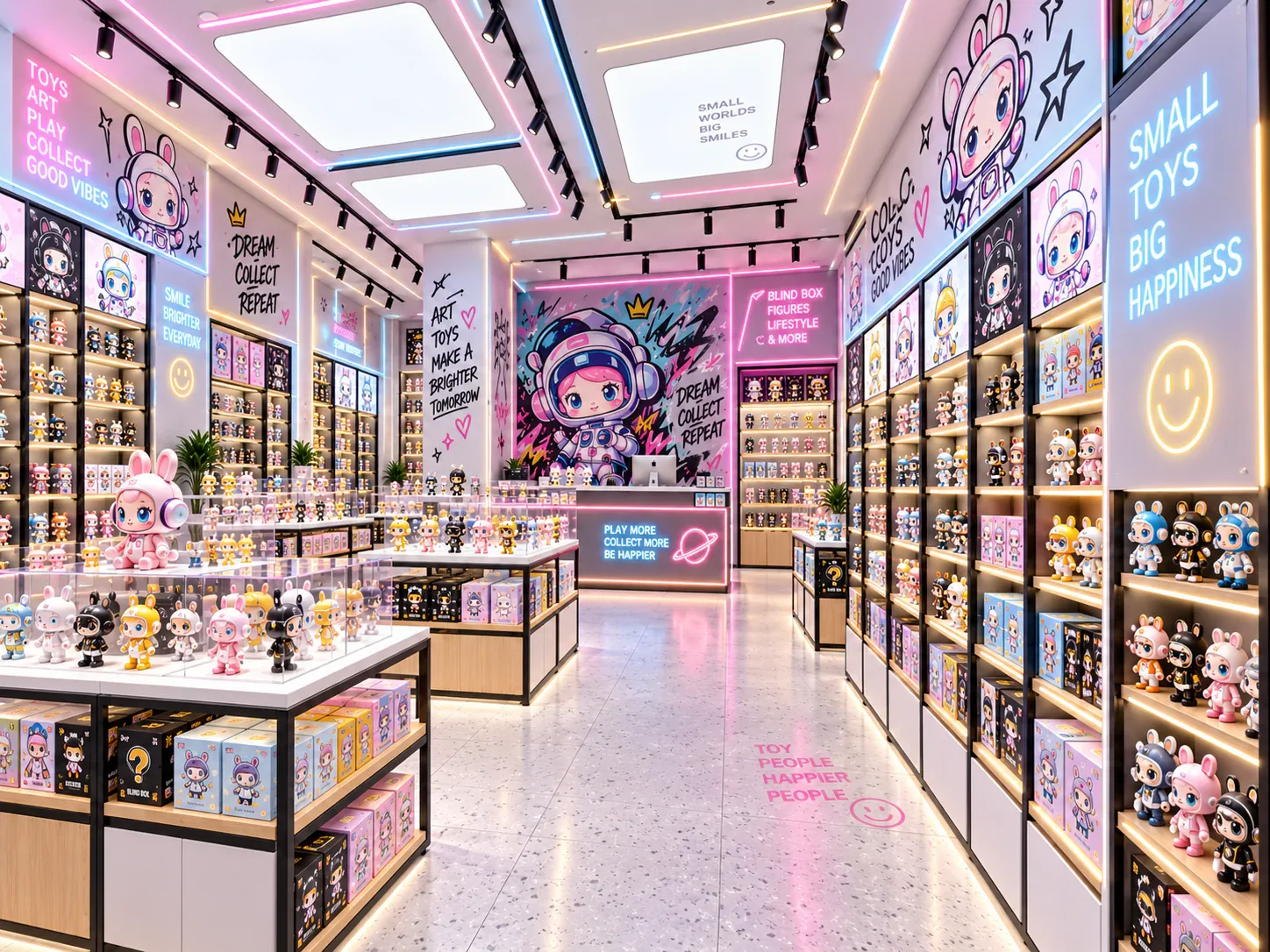
Displaying Complete Blind Box Series Without Confusing Buyers
A display showing every design in a blind-box series should help customers understand the range without suggesting that every sealed box contains a chosen character. The presentation needs to distinguish the series overview, opened samples and the stock available for purchase.
Read next →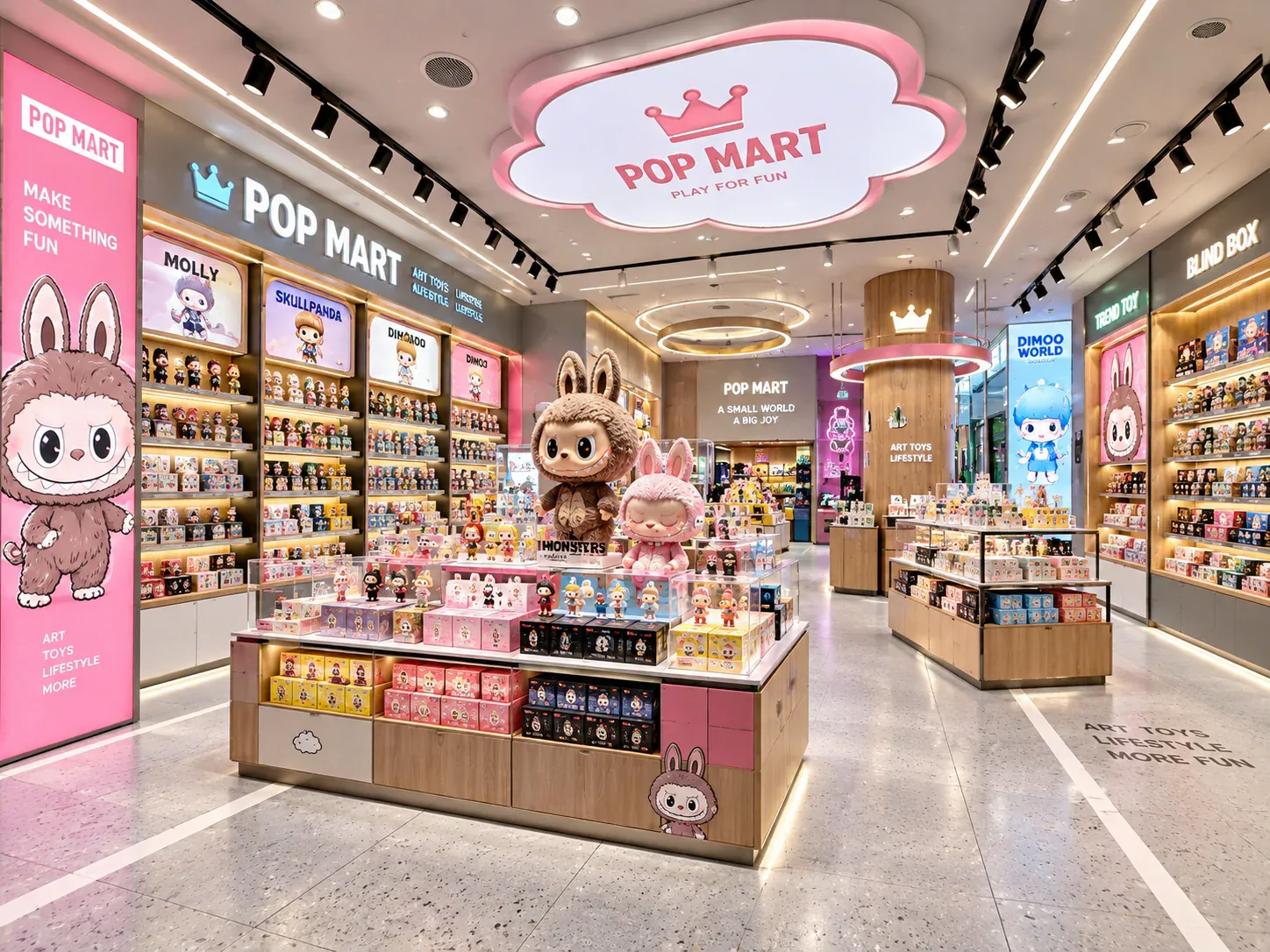
Planning Shelf Pitch for Blind Box Packaging Changes
Shelf pitch should be planned around the range of packages the store expects to display, not only the box used for the first rendering. A later release may be taller or require a different presentation, and a cabinet that appears flexible may still have limits imposed by its adjustment positions, supports or other components.
Read next →Get a project-specific recommendation.
Send your store plan, product sizes, fixture quantities, destination and opening target. BENSON will identify the product fit, engineering inputs and quotation basis.
Start Your Display Project