Creating a Store Opening Dependency Map Before Ordering Fixtures
A store opening date is the end of a chain of decisions, deliveries and site activities.
- Published
- 2026-09-08
- Updated
- 2026-09-08
- Reading time
- 9 minutes

A store opening date is the end of a chain of decisions, deliveries and site activities. Ordering fixtures does not remove the dependencies that precede manufacturing or follow shipment.
Three decisions to carry into your project.
- 01
Define the opening state in practical terms
- 02
Use activities small enough to reveal their inputs
- 03
Distinguish information from physical dependencies
Start with the decision
A store opening date is the end of a chain of decisions, deliveries and site activities. Ordering fixtures does not remove the dependencies that precede manufacturing or follow shipment. A dependency map makes those connections visible before commitments are made, so the project team can distinguish work that may proceed from work that is waiting for reliable information.
Start with the opening conditions and work backwards. Identify what must be ready for staff to receive merchandise, prepare displays and operate the store. For every activity, record the inputs it needs, the evidence that releases it and the person responsible for that evidence. Add dates only after the logic is clear. A calendar with unsupported dates can conceal the very uncertainty the team needs to manage.

Define the opening state in practical terms
“Ready to open” can mean different things to different participants. The fixture supplier may mean manufacturing is complete. A logistics coordinator may mean goods have reached a destination warehouse. The store manager needs an operational shop. Write the opening state as a set of observable conditions so the map has a shared endpoint.
Those conditions might include installed fixtures, resolved installation issues, available operating information, merchandise received and displays prepared. Any required local approvals or specialist sign-offs should be identified by the responsible project participants. This article provides a coordination method; it does not determine which approvals apply to a particular building or jurisdiction.
Separate the opening essentials from work that could legitimately finish later. The owner must make that distinction with the relevant operational and specialist input. Do not label an unresolved requirement optional simply because the desired opening date is close. If the store can open in phases, define the usable first phase rather than assuming the entire original scope will somehow be ready.
Use activities small enough to reveal their inputs
An activity called “fixtures” is too broad to show what can delay it. Break it into meaningful outputs such as confirming merchandise requirements, verifying relevant site dimensions, coordinating drawings, reviewing samples, releasing the agreed scope, manufacturing, packing, transporting, receiving and installing. The exact sequence will vary with the project.
Avoid breaking the map into every workshop operation unless that level of detail is needed by the team using it. The owner's map should show the decisions and handovers that affect readiness. A supplier may maintain a more detailed production schedule underneath it. Both can be useful without forcing every participant to manage the same level of detail.
Name activities with a verb and a result. “Approve the identified finish sample” is clearer than “finishes,” and “confirm delivery access with the receiving location” is clearer than “logistics.” Specific wording helps reveal whether the output exists and whether the next activity can actually begin.
Distinguish information from physical dependencies
An information dependency exists when work needs a decision, measurement or document. A physical dependency exists when an activity needs completed goods, an available work area or another tangible condition. Some activities need both. Installation, for example, may require the fixtures to arrive and the relevant site information to be resolved.
Record these dependencies separately when their owners differ. If the fixtures are ready but site access is unavailable, accelerating manufacturing further will not solve the immediate problem. Conversely, an available site cannot compensate for unresolved production information. The map should help the team identify the actual blocking input instead of treating every delay as a supplier delay.
Also distinguish a firm dependency from a preference. A team might prefer to review all finishes together, but some independent items may be reviewed earlier. Whether that separation is sensible depends on the design relationships and change risk. Ask the responsible contributors what must be coordinated and what can proceed independently; do not infer independence merely because two items appear on different drawing sheets.
Give every connection a release condition
A line between two activities is not enough. State what evidence allows the second activity to proceed. For drawing coordination, the evidence might be an identified survey revision and equipment information. For a sample decision, it might be a recorded acceptance with limitations. For dispatch, it might include the agreed readiness checks and resolved shipping instructions.
These release conditions should match the parties' actual scope and agreements. They are working controls, not a substitute for contractual terms. If an activity is allowed to proceed with an unresolved item, record the exception, its owner and the possible consequence. Otherwise a conditional decision can be mistaken for unconditional acceptance later.
Keep conditions observable. “Everyone is happy” is difficult to verify. “The named owner has returned a decision on sample S-03, revision B” is traceable. The purpose is not to make the project bureaucratic; it is to preserve the meaning of a decision as information moves between people.
Build the map from a dependency register
Use a simple register before drawing arrows. The following table illustrates the logic for a hypothetical store. It does not prescribe durations or guarantee that this sequence suits every fixture package.
See the decision table below for the working record.
Add an owner, current status and expected response point for each input. Then connect the activities using their actual dependencies. If the resulting map contains a circular relationship, investigate it. A sample cannot depend on a final detail that itself depends on the sample result unless the team defines an intermediate development step.
Add realistic time information after the logic
Ask the responsible parties for current estimates and the assumptions behind them. Manufacturing duration may depend on the released scope and selected components; delivery duration depends on the actual route and arrangements. Do not copy a generic duration from an unrelated project and present it as a commitment for this one.
Separate working duration from waiting time. A review may require little active effort but remain in a queue because the decision owner is unavailable. A delivery may be physically possible before the receiving location can accept it. These waiting periods belong in the discussion because they affect the opening even though no one is actively working during them.
Where uncertainty is substantial, record a range or an unresolved estimate rather than a false precise date. Show what information would narrow that uncertainty. The map becomes a practical decision tool when the team can see which unanswered question most affects the expected opening sequence.
Compare complete release with a staged release
A complete release keeps the fixture package coordinated before manufacturing begins. It can be appropriate where components share finishes, interfaces or other decisions that should be resolved together. Its limitation is that an unresolved item may hold a wider package if the dependencies are tightly connected.
A staged release can allow an independent portion to proceed while another portion is developed. It requires a clear boundary: item identifiers, quantities, revisions, shared components and remaining interfaces must be understood. Any later change affecting the released work must be handled explicitly. A staged approach is not automatically faster once additional coordination, packing and delivery work are considered.
Compare the two approaches against the same opening conditions. Identify which stage produces a usable area and which merely creates inventory that must wait elsewhere. The relevant question is whether the staged plan improves operational readiness under realistic assumptions, not whether it creates an earlier manufacturing start on paper.
Work through an unresolved checkout example
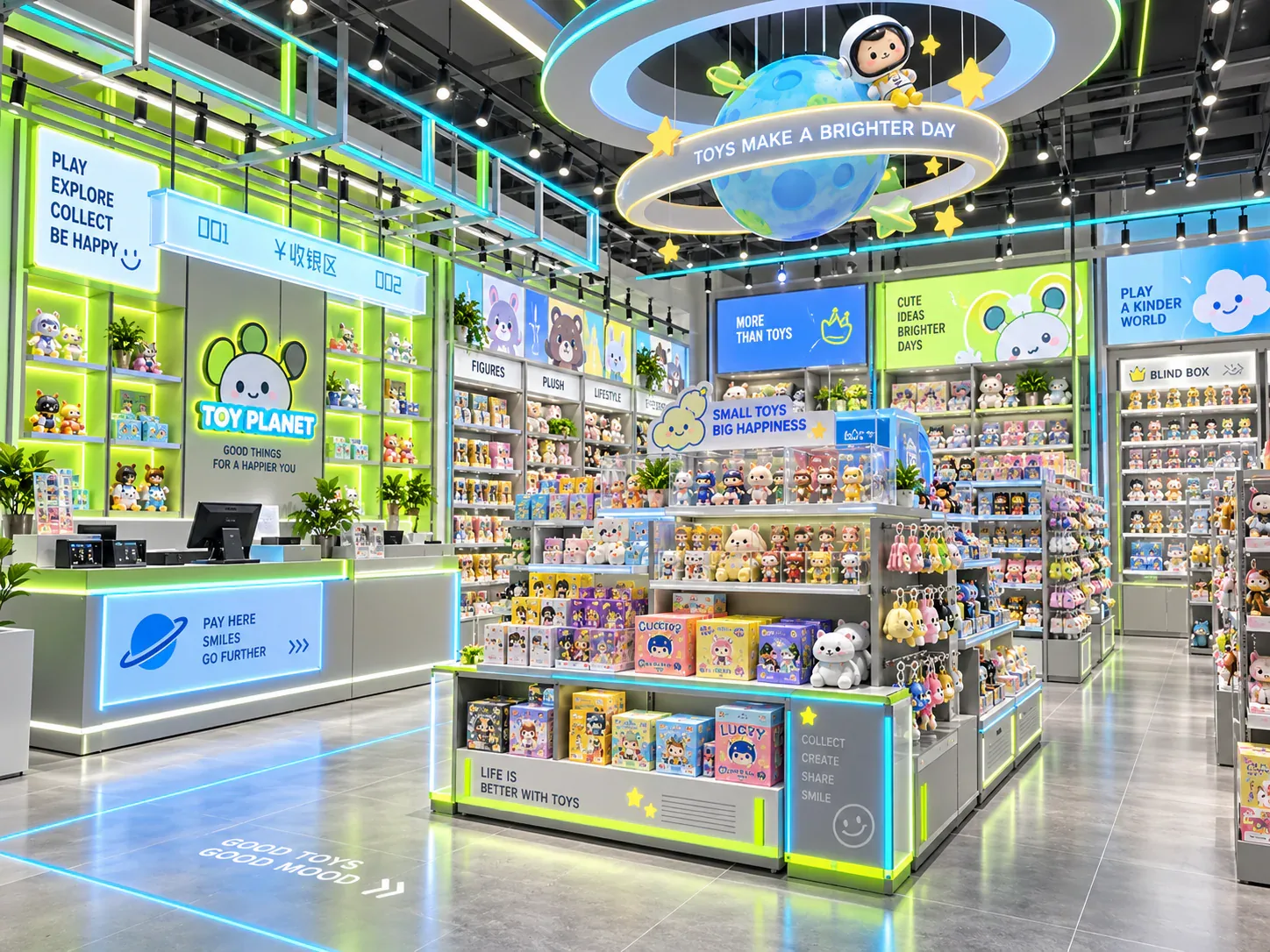
Imagine a hypothetical designer toy store with wall displays, islands and a custom checkout. The wall display arrangement is coordinated, but the checkout depends on equipment information that the retailer has not yet confirmed. The owner wants all fixtures ordered immediately to protect the opening date.
The dependency map shows two different paths. The checkout drawing needs equipment dimensions and service requirements before the relevant details can be resolved. The islands may have no relationship to that equipment, but the team still checks whether their finishes or shared production decisions connect them to the checkout. Independence is established through review, not assumed from the item names.
The supplier and buyer compare a complete release with releasing a clearly identified independent package. They also examine installation and receiving implications. If the first package arrives before the store can receive it, the proposed schedule needs an agreed storage arrangement. If installation requires all units to be coordinated together, the apparent benefit of separate dispatch may shrink.
The owner assigns the missing equipment information to a named decision owner and records the expected response point. The team then updates the map with confirmed boundaries and unresolved consequences. The result is a visible choice between two paths rather than a vague instruction to “rush everything.” This is an illustrative planning scenario, not a documented BENSON project or a promised delivery method.
Review changes through their downstream effects
When an input changes, follow its outgoing connections. A revised merchandise format may affect shelf arrangements, which may affect drawings and the released configuration. A changed receiving location may affect delivery instructions without altering the fixture design. The map helps the team ask focused questions instead of reopening every decision indiscriminately.
Keep a dated snapshot when a major milestone is agreed. During the next review, compare the current situation with that snapshot and explain why the expected sequence changed. This preserves useful project history without requiring an elaborate scheduling platform.
Before issuing an order for custom toy store fixtures, include the relevant dependencies in the project discussion. Ask the supplier to confirm its inputs and handovers, then connect them to the site and store activities owned by others. An opening plan becomes credible when its connections are understood and its uncertain inputs remain visible.
Compare one controlled basis.
How we apply this decision.
When an input changes, follow its outgoing connections. A revised merchandise format may affect shelf arrangements, which may affect drawings and the released configuration. A changed receiving location may affect delivery instructions without altering the fixture design. The map helps the team ask focused questions instead of reopening every decision indiscriminately.
Review BENSON capabilities →What still needs project confirmation.
Use the actual site, merchandise and supplier information to confirm the project-specific arrangement. Illustrative examples do not establish technical suitability.
Prepare the required inputs →Avoid these shortcuts.
- Treating a reference image as an approved production specification.
- Comparing suppliers without identical dimensions, quantities and delivery scope.
- Separating material, lighting or hardware decisions from the drawing revision.
- Leaving packing, local installation and site interfaces undefined.
Before the next approval.
- Define the opening state in practical terms
- Use activities small enough to reveal their inputs
- Distinguish information from physical dependencies
- Record each open point, owner, due date and required evidence.
Trace the supporting information.
Content review policyUpdated 2026-09-08. AI-assisted buyer guidance; no independent technical review is claimed.
Move from research to a project decision.
Keep building the specification.

Defining the Merchandise Mix Before Designing a Toy Store
A toy store fixture plan should begin with the merchandise the store will actually sell, demonstrate and keep in reserve. A list of product categories is useful, but it does not tell a designer how much space a box occupies, whether a figure needs staff assistance, or how often a shelf will be replenished.
Read next →
Writing a Store Design Brief for a Designer Toy Brand
A store design brief should explain what the business needs its space to do, which conditions the design must respect, and who will decide whether a proposal meets those needs. For a designer toy brand, that means more than supplying a logo and a collection of attractive shop photographs.
Read next →
Deciding Which Fixtures to Customize and Which to Standardize
The best fixture programme is rarely the one in which every component is custom, or the one assembled entirely from standard products. A useful choice starts with the job each part must perform.
Read next →Get a project-specific recommendation.
Send your store plan, product sizes, fixture quantities, destination and opening target. BENSON will identify the product fit, engineering inputs and quotation basis.
Start Your Display Project